



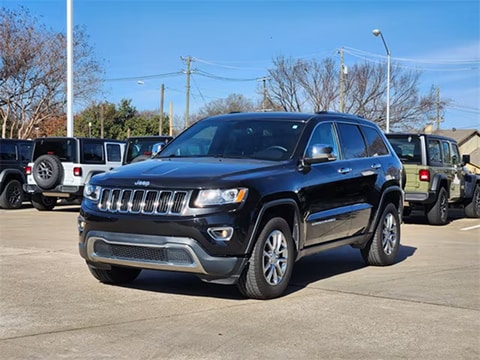
Shopping for a used Jeep? You're in for one of the most exciting automotive adventures out there. Here at Huffines Chrysler Dodge Jeep Ram Plano, we've watched countless Dallas-Fort Worth drivers fall in love with their used Jeep purchases. There's something special about combining legendary off-road capability with strong resale values and accessible pricing. Whether you're planning weekend trail adventures or just want a vehicle that can handle whatever Texas weather throws your way, these tips for buying a used Jeep will help you make a smart, confident decision.
Why a Used Jeep Is a Smart Choice for Adventure Seekers
Used Jeep ownership offers benefits beyond saving money upfront. You're investing in a vehicle built for durability and adventure. Unlike many cars that lose value fast, Jeeps hold their worth remarkably well, especially here in Dallas-Fort Worth where outdoor recreation stays popular year-round. We've seen customers drive off our lot in used Jeeps that tackle trails just as well as the newest models, often for half the price.
The Jeep community adds incredible value too. Local trail clubs, nationwide events, fellow enthusiasts sharing technical knowledge and favorite routes. This network becomes invaluable when you need modification advice, maintenance tips, or want to discover new Texas exploration spots. The brand's ruggedness isn't just marketing hype. It's engineered into every component, making used Jeeps particularly appealing when adventure capability doesn't require a brand-new price tag.
Start with a Comprehensive Vehicle History Check
Before you even think about a test drive, get that detailed vehicle history report. It should be your absolute first step. We provide free CarFax reports at our dealership because transparency starts with complete information. These reports pull critical data from multiple sources, creating a comprehensive picture of what the vehicle has been through. Understanding this history protects you from expensive surprises and puts you in a stronger negotiating position.
What the History Report Reveals
A thorough vehicle history check exposes accident involvement, repair costs, and service records that tell the real story of how previous owners treated their Jeep. You'll see ownership history, which lets you spot whether the vehicle changed hands quickly (often a red flag for underlying problems). Flood damage history becomes especially important in Texas, where severe weather can affect vehicles statewide. Total loss accidents show up clearly, along with odometer readings that confirm the mileage matches official records.
Gaps in service records can be just as telling as detailed maintenance documentation. Check whether regular oil changes, transmission services, and differential fluid replacements appear consistently. Missing service records don't automatically kill a deal, but they should make you look more carefully during the physical inspection.
Title Issues and Red Flags to Watch For
Title status demands your closest attention because it directly affects both value and safety. Salvage titles mean a vehicle was deemed a total loss but hasn't been repaired to drivable condition. Rebuilt titles indicate the Jeep got fixed after being totaled and passed state inspection. Both situations warrant caution, since structural or safety issues might not be immediately obvious. We maintain our no dealer add-ons policy specifically because used car buying should be straightforward. When a title has problems, we disclose them upfront instead of hiding them in paperwork.
Odometer rollbacks represent another serious warning that history reports can catch. Multiple ownership changes within short timeframes often signal that previous buyers found problems they couldn't solve. When we review titles at our Plano location, we also watch for inconsistencies in state-to-state transfers. These sometimes hide title washing attempts where sellers try to clean a branded title by moving the vehicle across state lines.
Inspect the Interior and Exterior Thoroughly
Physical inspection reveals what no report can fully capture. Walk around the vehicle methodically to spot modifications, damage, and wear patterns that show how the previous owner used it. We encourage buyers to take their time here. Examine every panel, open every compartment, test every feature. Rushing through inspection makes it more likely you'll miss something important.
Signs of Wear and Age to Look For
Interior condition tells you volumes about overall care and how hard the vehicle was used. Torn upholstery, faded consoles, and worn pedals accumulate naturally over time, but excessive wear compared to the odometer suggests hard use. Make sure all lights work properly throughout the cabin, seat belts retract smoothly, and any cameras or sensors respond correctly. Dashboard warning lights should come on during startup but go out quickly. Persistent warning indicators need investigation before you commit to buying.
Removable tops and doors make Jeeps perfect for open-air driving, but they also create potential wear points. Check seals for cracking, make sure latches engage securely, and look for water stains on carpeting or upholstery that might indicate leaks. These signs don't necessarily kill a deal, but they give you negotiating points and help you budget for future repairs. Our transparent pricing means we factor these conditions into our asking prices rather than expecting buyers to discover them later.
Checking for Rust and Off-Road Damage
Texas climate gives you real advantages when buying a used Jeep compared to northern markets. Heat and UV exposure can fade paint and crack rubber components, but we see very little salt-related rust that destroys vehicles from snow belt states. Still, rust inspection matters, particularly around the frame, suspension mounting points, and undercarriage. Get underneath with a flashlight and look carefully at areas where mud might have built up and trapped moisture.
Off-road damage looks different than accident damage. Scratches along rockers and lower body panels typically show trail use rather than crashes. Dents in differential covers or skid plates prove the Jeep tackled challenging terrain. These marks show authentic use rather than neglect. However, examine them carefully to make sure they're surface-level rather than structural. Paint mismatches suggest previous bodywork. That's not necessarily bad if it's documented properly, but it should prompt questions about what made the repairs necessary.
Examine the Drivetrain and Suspension Carefully
Drivetrain and suspension components deserve your most thorough attention. These systems take tremendous stress during off-road use. Even street-driven Jeeps experience more suspension movement than typical vehicles. Understanding the condition of these critical parts helps you assess whether you're looking at a reliable adventure vehicle or a money pit.
Why These Components Matter Most in Jeeps
Off-road capability depends on suspension flexibility that keeps wheels in contact with dramatically uneven surfaces. This extreme movement stresses every connection point, bushing, and joint throughout the suspension system. The drivetrain has to transmit power reliably through transfer cases and differentials while handling constant angle changes that trail driving demands. When these systems wear or fail, repairs get expensive fast because of specialized components and labor-intensive replacement procedures.
We've serviced thousands of Jeeps at our Dallas-Fort Worth facility, and the pattern stays consistent. Vehicles with documented suspension maintenance show far better reliability than those with deferred care. Bushings dry out, shocks lose damping capacity, and ball joints develop play that affects both handling and safety. Spotting wear before purchase lets you factor repair costs into your budget or negotiate a better price.
Key Areas to Inspect Before You Buy
Systematic inspection of critical components separates smart buyers from those who discover problems after purchase. Use this as your checklist when considering tips for buying a used Jeep:
|
Component |
Inspection Points |
|
Control Arms |
Check for bends, rust, or rot; ensure secure mounting |
|
Shock Mounts |
Verify no cracks or loose fittings; test for leaks |
|
Sway Bar Links |
Inspect for wear, play, or corrosion |
|
Track Bar |
Confirm proper condition and any model-specific fixes |
|
Tie Rods |
Look for damage or excessive looseness |
|
Oil Leaks |
Scan engine and transmission areas for drips |
Beyond these specific points, test drive on varied terrain if possible. Listen for clunks or rattles that suggest loose suspension parts, and pay attention to how the Jeep shifts through gears. Brake response should feel firm and smooth without pulling to either side. Unusual noises during acceleration, deceleration, or cornering often signal issues that need professional evaluation. If you're seriously considering a vehicle, we recommend having it checked by qualified technicians. Our certified team offers pre-purchase inspections that provide detailed mechanical condition assessments.
Review the Maintenance Records
Documentation tells the story of preventive care versus emergency repairs. When sellers provide thorough maintenance records, you gain confidence that the vehicle got attention before problems turned into failures. Look for evidence of regular oil changes at proper intervals, transmission fluid services, differential fluid replacements, and cooling system maintenance. These routine services dramatically extend component life and show owners who valued their investment.
The answer to reliability depends heavily on maintenance history. Even the toughest vehicle deteriorates without proper care, while conscientious maintenance can keep a used Jeep running strong for hundreds of thousands of miles. We maintain detailed service records on every vehicle in our used Jeep inventory, giving buyers the confidence that comes from knowing exactly what work each vehicle has received.
Missing records don't automatically kill a purchase, but they should raise questions. Ask sellers why records aren't available. Some people simply don't keep paperwork despite maintaining their vehicles properly. However, when combined with other warning signs, missing documentation suggests you should proceed carefully or negotiate a significantly lower price to account for unknown history.
Find Your Perfect Used Jeep at Huffines CJDR Plano
Finding the right dealership involves weighing factors beyond just vehicle selection. At our Plano dealership, we've built our reputation on transparent pricing with no hidden fees. What you see is what you pay, without surprise charges appearing during paperwork. Our locally owned operation has served Dallas-Fort Worth since 1924. We understand that customers return when they're treated fairly, so we focus on straightforward communication over high-pressure sales tactics.
We offer advantages that private party purchases simply can't match. Every used Jeep gets a multi-point inspection by our factory-trained technicians before it hits our lot, and we provide warranty options that protect your investment. Our financing team works with multiple lenders to secure competitive rates regardless of your credit situation, and we handle all titling and registration paperwork. If you're considering options like the versatile Gladiator for its unique combination of truck utility and Jeep capability, we maintain diverse inventory that lets you compare different configurations side by side.
Working with people who know these vehicles inside and out makes all the difference. Our service department handles everything from routine maintenance to complex repairs, giving our sales team direct insight into which used Jeeps show exceptional reliability and which ones need closer scrutiny. Come visit us at 4500 W Plano Pkwy, explore our inventory, and see the difference that transparent, knowledgeable service makes. Your next adventure starts with the right Jeep, and we're here to help you find it.