





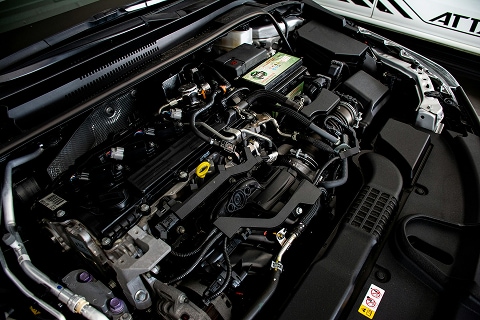
Hybrid vehicles come in two fundamentally different flavors when it comes to mixing electric and gasoline power. The choice between series hybrids and regular hybrids impacts everything from fuel costs to how your car feels when merging onto the freeway. Understanding what makes each system tick helps you find the right match for how you actually drive.
What Is a Series Hybrid and How Does It Work?
A series hybrid keeps things surprisingly simple: the gas engine never touches the wheels directly. Think of it as having a portable generator under the hood. That engine exists solely to make electricity, which then powers the electric motor that actually moves your car.
Your electric motor spins at whatever speed it needs without a complicated transmission. Hit the gas pedal, and you're telling that electric motor to pull juice from either the battery or the generator. The gas engine only wakes up when your battery runs low, then hums along at its optimal RPM to recharge.
These systems deliver instant torque and whisper-quiet cruising, especially around town when you're running purely on stored electricity. The range-extending ability provides peace of mind, though pure series hybrids have become less common as modern EVs achieve longer ranges without needing gas backup.
How Regular Parallel Hybrids Deliver Power Differently
Regular parallel hybrids let both the gas engine and electric motor drive the wheels, sometimes alone, sometimes together. This parallel hybrid system gives you multiple ways to get power down depending on what you're asking the car to do. Gentle takeoff from a red light? The electric motor might handle it solo. Merging into highway traffic? Both systems team up.
The gas engine contributes real muscle directly to moving you forward. This direct mechanical link means better acceleration and stronger overall output, particularly when cruising steadily on the interstate where combustion engines shine brightest. The system recharges the battery through regenerative braking or by running the engine at efficient speeds.
You need more complex mechanical components to make this work, including a transmission that manages both power sources. More moving parts than series hybrids, but you also get a more flexible driving experience across various conditions.
Series Hybrids vs Regular Hybrids: Key Differences
|
Feature |
Series Hybrid |
Parallel Hybrid |
Series-Parallel (Jeep 4xe) |
|
Engine Role |
Generator only (never drives wheels directly) |
Drives wheels directly or assists motor |
Switches between modes based on speed |
|
Power Delivery |
Electric motor always drives wheels |
Engine and motor share wheel propulsion |
Blends series and parallel modes based on battery charge and power demand |
|
Best For |
City commuting, stop-and-go traffic |
Highway driving, mixed-use |
Versatile (adapts to driving conditions) |
|
Driving Feel |
EV-like, smooth, instant torque |
More traditional, engine engagement felt |
Blends both experiences |
|
Example Vehicles |
Range-extended EVs (Ram 1500 REV) |
Traditional hybrids |
Jeep Wrangler 4xe, Grand Cherokee 4xe |
Efficiency and Fuel Economy: Series Hybrids vs Regular Hybrids
City Driving and Stop-and-Go Performance
Urban driving plays to the strengths of series hybrid configurations. Running silently on electric power alone during short hops makes them incredibly thrifty in traffic-clogged areas like DFW commutes. Electric motors dish out excellent low-end torque instantly, giving you smooth launches from stoplights without the hesitation typical of gas engines.
Regular hybrids handle city conditions well by using both power sources strategically, though the gas engine often kicks in even at lower speeds. Series hybrids might complete whole trips on battery power for typical urban distances. Both hybrid types capture energy when you brake, but series hybrids may edge ahead slightly since all that braking energy converts to electricity without mechanical complications.
Highway Cruising and Long-Distance Efficiency
Highway driving decisively favors regular parallel hybrids. At steady speeds above 55 mph, gas engines hit their efficiency stride, making that direct mechanical connection to the wheels more effective than converting fuel to electricity and back to motion. Parallel hybrid systems excel here, letting the combustion engine handle steady cruising while keeping the electric motor ready for passing.
Series hybrids can struggle on highway efficiency since they lean heavily on the electric motor at higher power levels. When battery reserves get depleted, the gas generator runs continuously to feed the electric motor, creating energy conversion losses that parallel hybrids sidestep through direct drive. If you regularly cover hundreds of interstate miles, a parallel hybrid vehicle typically delivers superior real-world fuel economy.
Driving Feel and Performance Characteristics
Series hybrids create an almost zen-like driving environment, especially noticeable in neighborhoods. Electric-only operation produces barely any mechanical noise beyond a soft whir during acceleration. When the gas generator fires up, it runs at constant speed regardless of how fast you're going, creating a disconnect where engine sound doesn't match acceleration.
Regular parallel hybrids feel more like conventional cars. The gas engine's contribution gives audible cues many people find reassuring. This combined power delivery creates a sportier character, especially when both systems fire simultaneously. The switching between electric and gas power has gotten incredibly smooth in modern parallel hybrids.
Performance characteristics split during spirited driving. Series hybrids deliver peak torque instantly but can feel power-limited at higher speeds when sustained output exceeds what the battery and generator can continuously provide. Parallel hybrids maintain stronger acceleration across the speed range since that gas engine adds substantial muscle when needed.
Maintenance Expectations and Long-Term Ownership
Series hybrids usually pack fewer moving parts than parallel configurations, potentially meaning lower maintenance costs. No traditional transmission and no direct mechanical coupling translates to fewer components that wear out. The gas engine runs at steady speeds rather than constantly varying, which can extend its life.
Series hybrid owners still need to service both electrical and combustion components. That gas engine needs regular oil changes and periodic check-ups despite its generator-only role. Battery pack health stays critical for both hybrid types, with replacement costs representing the biggest potential expense. Modern hybrid batteries typically come with extended warranties.
Regular parallel hybrids might need more frequent attention due to their complex drivetrains. The transmission, clutch systems, and mechanical couplings need regular service. These vehicles benefit from proven gas engine durability, and many components use familiar technology any qualified tech can handle. Finding qualified technicians familiar with hybrid systems has gotten easier as these vehicles gain market traction.
Hybrid Technology in the Jeep and Ram Lineup
Integrating hybrid technology into Jeep and Ram vehicles represents a major shift for brands built on rugged capability and towing muscle. These manufacturers are exploring hybrid systems to boost fuel efficiency without sacrificing performance.
The Jeep 4xe lineup uses a plug-in series-parallel hybrid architecture that blends electric and gasoline power. In default Hybrid Mode, the powertrain draws on battery power first, blending in torque from the 2.0-liter engine as needed, including when the battery reaches minimum charge. Available on the Wrangler 4xe and Grand Cherokee 4xe, this versatile setup adapts to driving conditions while preserving trail-rated capability. Electric motors provide instant torque that enhances low-speed rock crawling and mud navigation, where precise power control proves invaluable. You can explore our hybrid and electric inventory to see current Jeep 4xe availability.
Ram is developing the 1500 REV, a range-extended electric truck that applies series hybrid principles. The 3.6L Pentastar V6 functions purely as a generator, never driving the wheels directly. Dual electric motors handle all propulsion duties, offering up to 145 miles of all-electric range. Currently targeted for production in the second half of 2026 as a 2027 model, though production timing is subject to change - check with our team for the latest availability updates. The Ram 1500 REV tackles the challenge of balancing fuel economy with towing and payload capacities truck owners expect. For the latest details, check out our Ram 1500 REV updates.
Which Hybrid Type Best Suits Your Driving Habits?
Your daily driving patterns determine which hybrid configuration delivers the biggest payoff. Drivers with mostly urban commutes under 30 miles per day find series hybrids compelling, since these vehicles can often complete entire trips on electric power alone. The quiet operation and instant torque make navigating Plano streets remarkably pleasant, while fuel costs plummet compared to conventional vehicles.
Highway warriors who frequently travel longer distances or spend significant time on interstates benefit more from regular parallel hybrids. That direct mechanical connection between the gas engine and wheels delivers superior efficiency at sustained speeds, translating to better real-world fuel economy. If your routine includes weekend road trips or regular I-75 commuting, a parallel hybrid vehicle likely matches your needs more precisely.
Think about your performance priorities too. People who value a more engaging, traditional driving feel typically prefer parallel hybrids, which respond more directly to throttle inputs. Drivers who prioritize serenity and smooth operation often gravitate toward series hybrids.
The choice between series hybrids vs regular configurations also depends on charging access. While neither type requires plug-in charging for basic operation, some hybrid models offer plug-in capabilities that maximize electric-only range. Consider your parking situation and whether home or workplace charging makes extended electric operation practical.
Ready to Experience the Difference?
Understanding these hybrid differences helps you pick the technology that fits your lifestyle. Both configurations offer substantial fuel savings compared to conventional vehicles, but their strengths emerge in different driving scenarios. Look at your typical daily mileage, highway versus city driving ratios, and performance expectations to identify which hybrid type delivers the greatest value.
The team at Huffines Chrysler Jeep Dodge Ram Plano can answer specific questions about hybrid models in the Jeep and Ram lineup, help you understand real-world efficiency expectations, and arrange test drives that reveal how each configuration feels under actual driving conditions. Contact our sales team at 972-696-7251 to explore hybrid options that match your driving habits.
Image by igor constantino | Licensed with Unsplash License